São Roque do Pico
What is São Roque do Pico, on the island's north coast?
Quick answer
São Roque do Pico is the smallest of the island's three municipalities by population and the town on the north coast. It sits between Madalena and the eastern end of the island, near the lajido vineyard walls that run down to the sea at Santa Luzia.
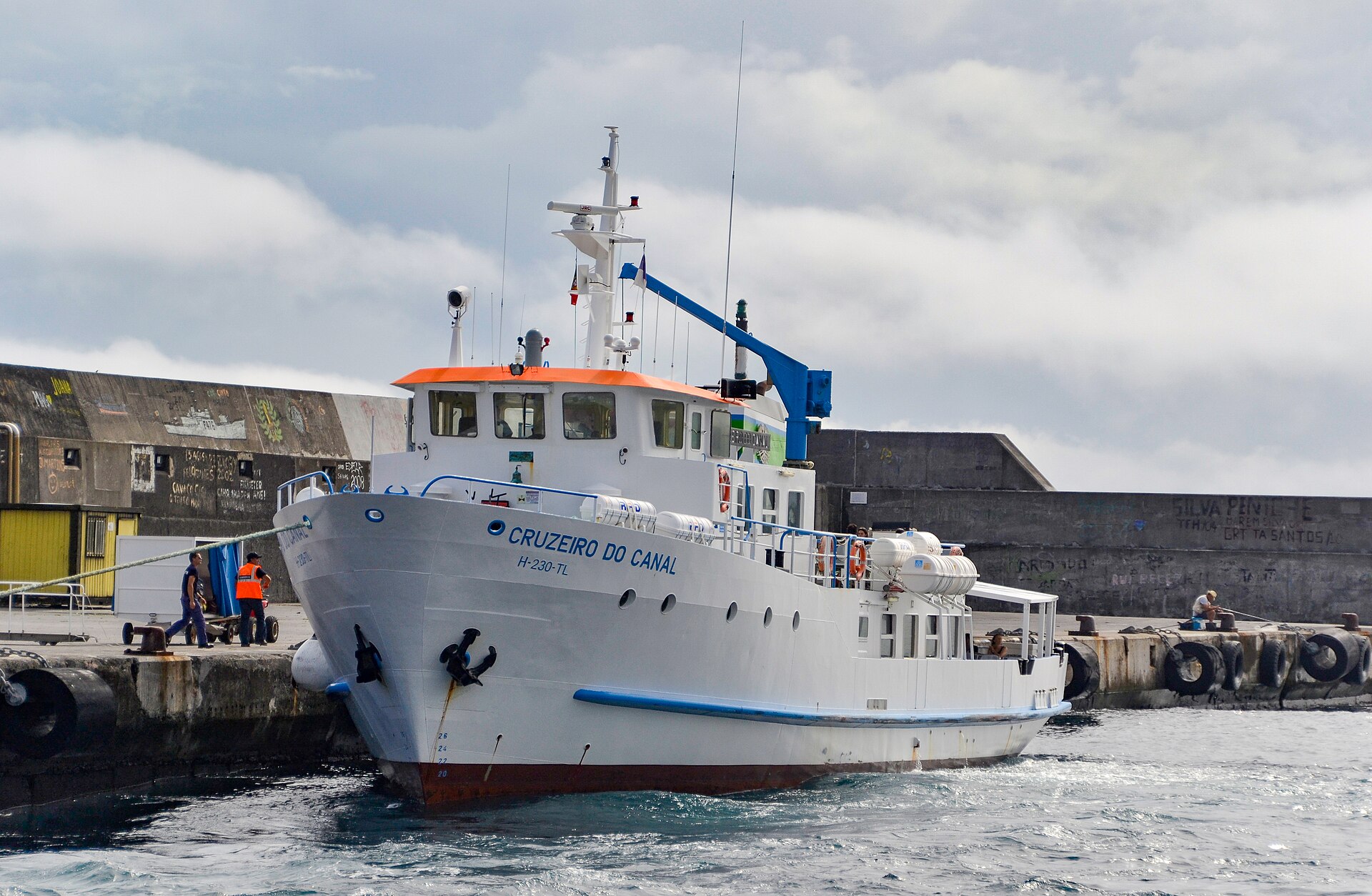
The north coast
São Roque do Pico is the smallest of the three municipalities by population and the least visited of the three towns. It holds the middle of the north coast, which is the stretch of Pico where the vineyard walls run right down to the water rather than sitting back from it.
Its industrial history is whaling, like Lajes on the opposite coast, but of a different kind: the north-coast operation was a shore factory that processed what the boats brought in, rather than a fleet town.
What it is near
The lajido walls at Santa Luzia are along the coast to the west, and the wine country section covers what those walls are for. Going the other way the road runs east towards the thinner-populated end of the island.
São Roque is a reasonable middle base if you want to split the difference between Madalena and the south coast, and it puts you nearer the north-coast interpretation centres than either. It is not the choice if you are crossing to Faial repeatedly: that is Madalena's advantage and it is a real one, and Lajes do Pico on the south coast is further still from the ferry.
As everywhere on Pico, the practical constraint is the car. There is no bus network worth planning around, the coast roads are slow, and the distance between the north and south coasts is real. A middle base shortens the worst drive without removing it. See Pico's villages for how the three towns compare, and where to stay for accommodation across all three.
What this page does not tell you
The population is the 2011 census figure, the most recent carried by the source used here. Nothing about the whaling museum on this coast, its opening hours or its admission has been checked against a primary source, because the regional museums site was unreachable at the time of writing: it is absent rather than guessed. Restaurants, accommodation and fuel are covered in practical information and where to stay, not here.