The Pico wine country
What makes Pico's vineyards a World Heritage site, and which adegas can you visit?
Quick answer
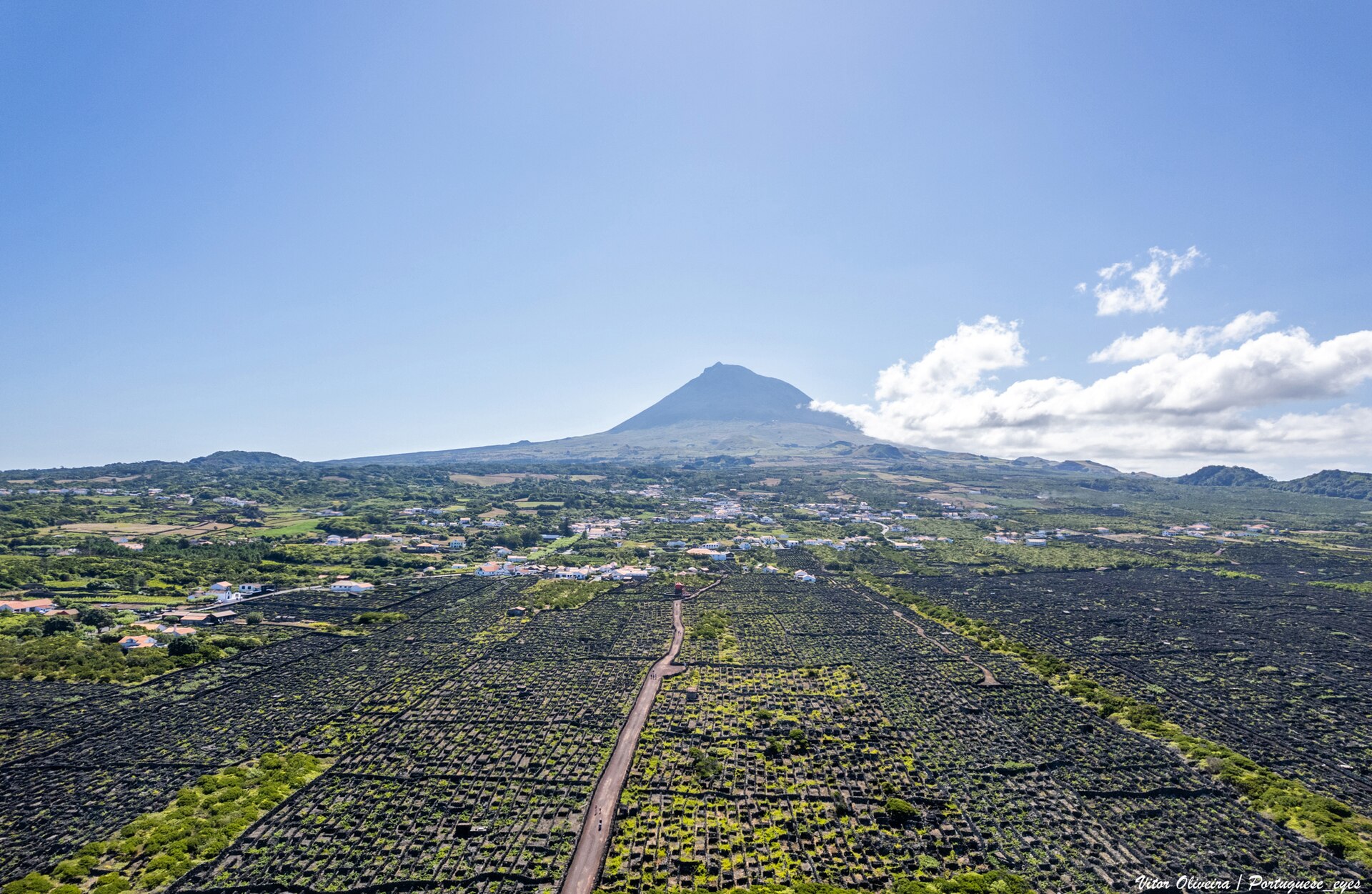
Pico grows vines directly on lava, inside small walled plots called currais built to shelter them from Atlantic salt wind. That landscape has been on the UNESCO World Heritage List since 2004, as site 1117. Several adegas on the island receive visitors, by appointment rather than walk-in.
Start here
What the landscape is, and why it looks like nothing else.
The grape
What grows inside the currais, and the rules that name it.
Adegas you can visit
Tastings on Pico are booked appointments rather than walk-ins.
Vines on bare lava
Pico has almost no soil. What it has is basalt, cracked and porous, and a prevailing Atlantic wind that carries salt far enough inland to burn foliage. Vines will not survive that combination unaided.
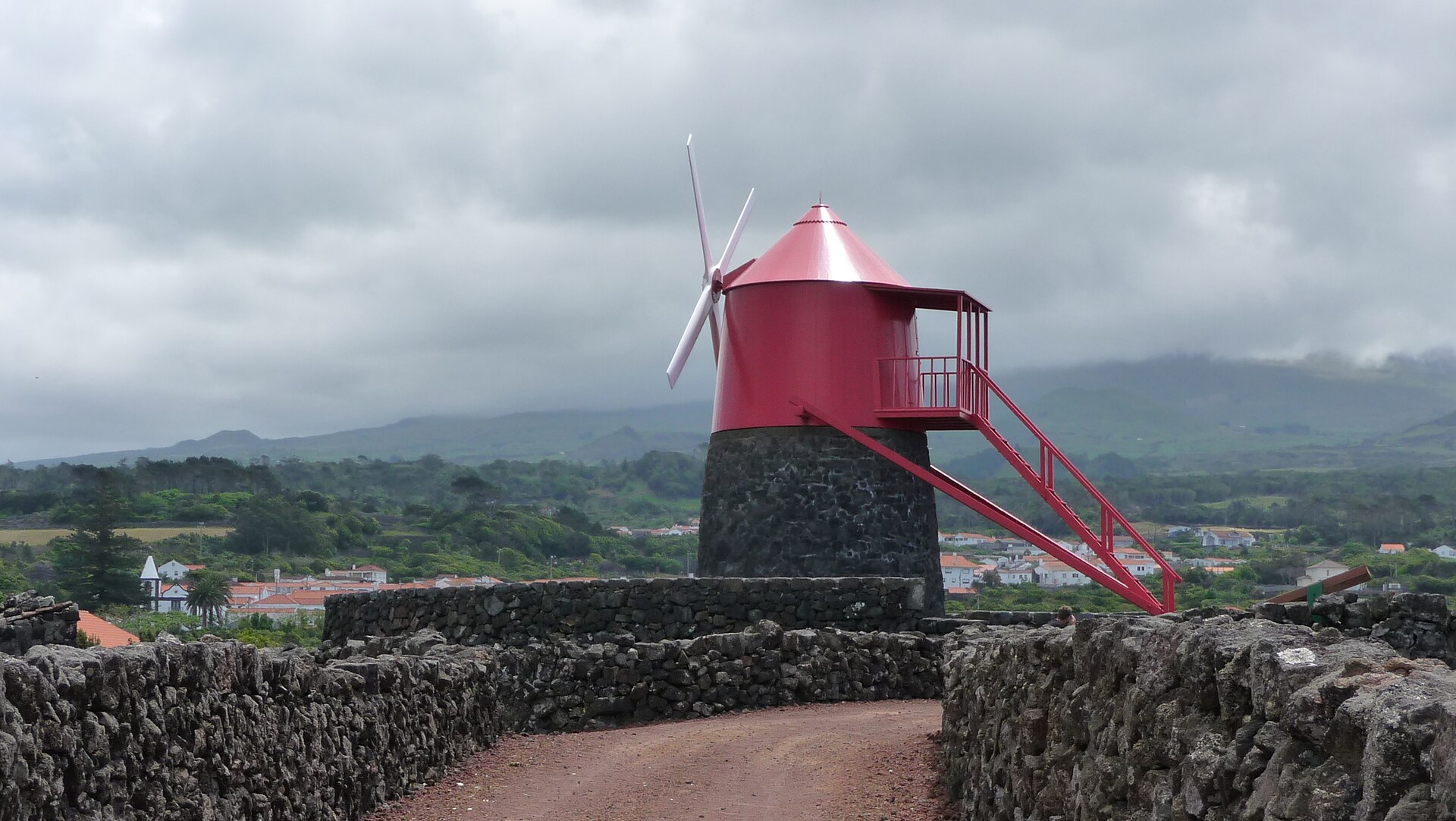
The answer the island arrived at was to clear the ground by hand and rebuild the cleared stone into low walls, forming a grid of small rectangular enclosures. Each enclosure, a curral, holds a handful of vines. The wall breaks the wind, traps the day's heat in the rock and releases it overnight, and lifts the plant just above the salt.
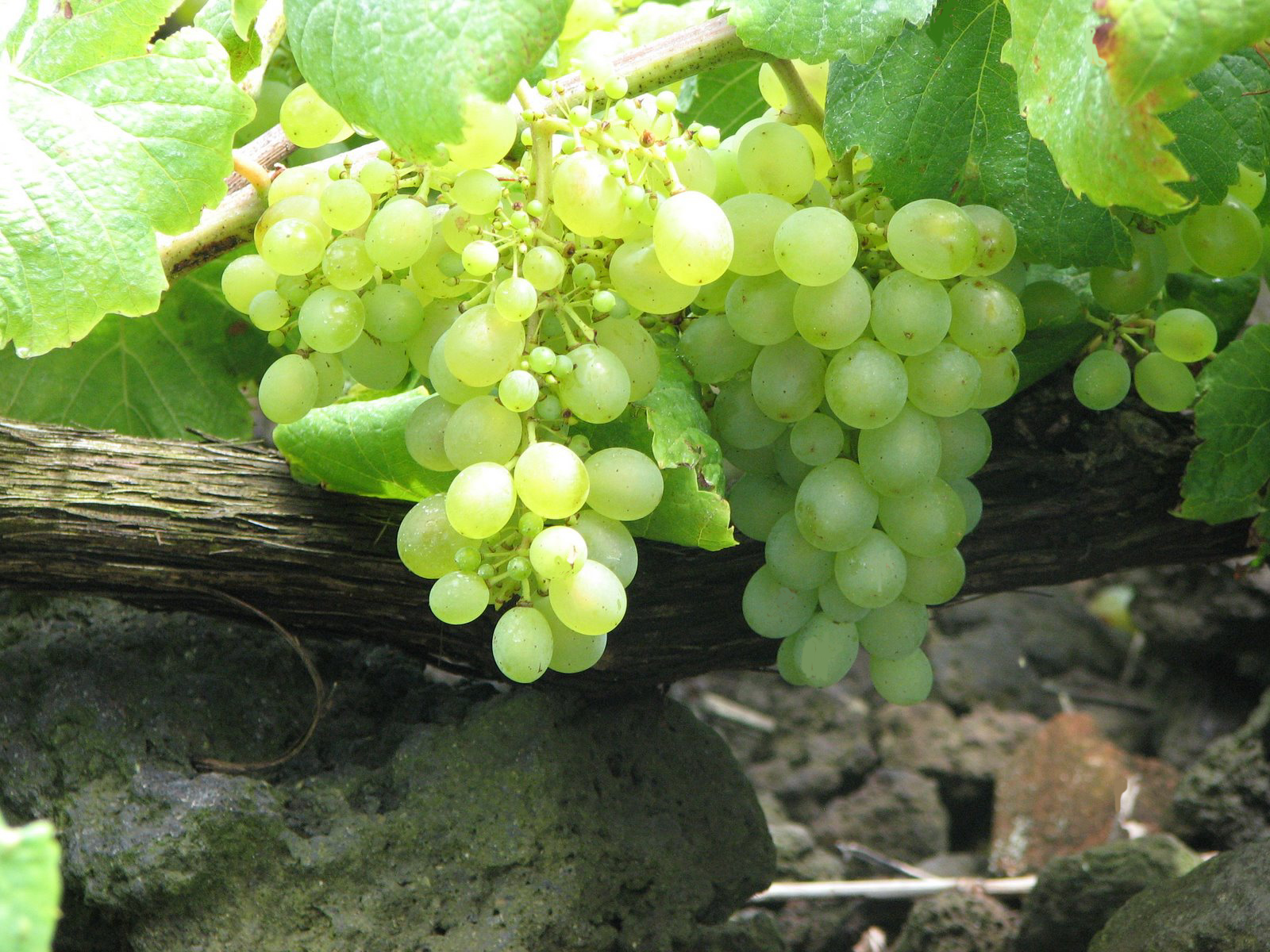
The grape most associated with those walls is Verdelho, one of the three main grapes the Pico designation of origin names, alongside Arinto dos Açores and Terrantez do Pico.
That lattice of black walls, running from the shoreline inland, is what went on the UNESCO World Heritage List in 2004 as site 1117. It is a working agricultural landscape, not a monument, and a good deal of it is wall that outlived the vine it was built for.
Where to walk it
Two areas are usually named as the heart of the inscribed landscape: Criação Velha, west of Madalena, and the Lajido de Santa Luzia on the north coast, near Santa Luzia, where the walls run right down to the sea.
Both read completely differently on foot than from a car. From the road it is a stone field; inside it, the scale of the hand labour is the whole point. See hiking on Pico for the marked trails through them.
Visiting an adega
Three adegas on the island are covered here, each with its own page and its own sourced contact details: the island cooperative Picowines in Madalena, the Azores Wine Company on the north-west coast, and Czar Winery at São Roque.
The thing to plan around is that tastings here are appointments, not walk-ins. Turning up at the door in season is how people end up not tasting anything. Book ahead.
What this page does not tell you
No prices, no tasting menus, no opening hours, no harvest dates, and nothing about individual wines or vintages. None has been checked against the producers' own material, and all of them move. The inscribed area's boundaries and hectarage are also absent: the figure carried by the source used here is larger than the island itself, which is reason enough not to repeat it.