What grapes are used in Pico wine?
Quick answer
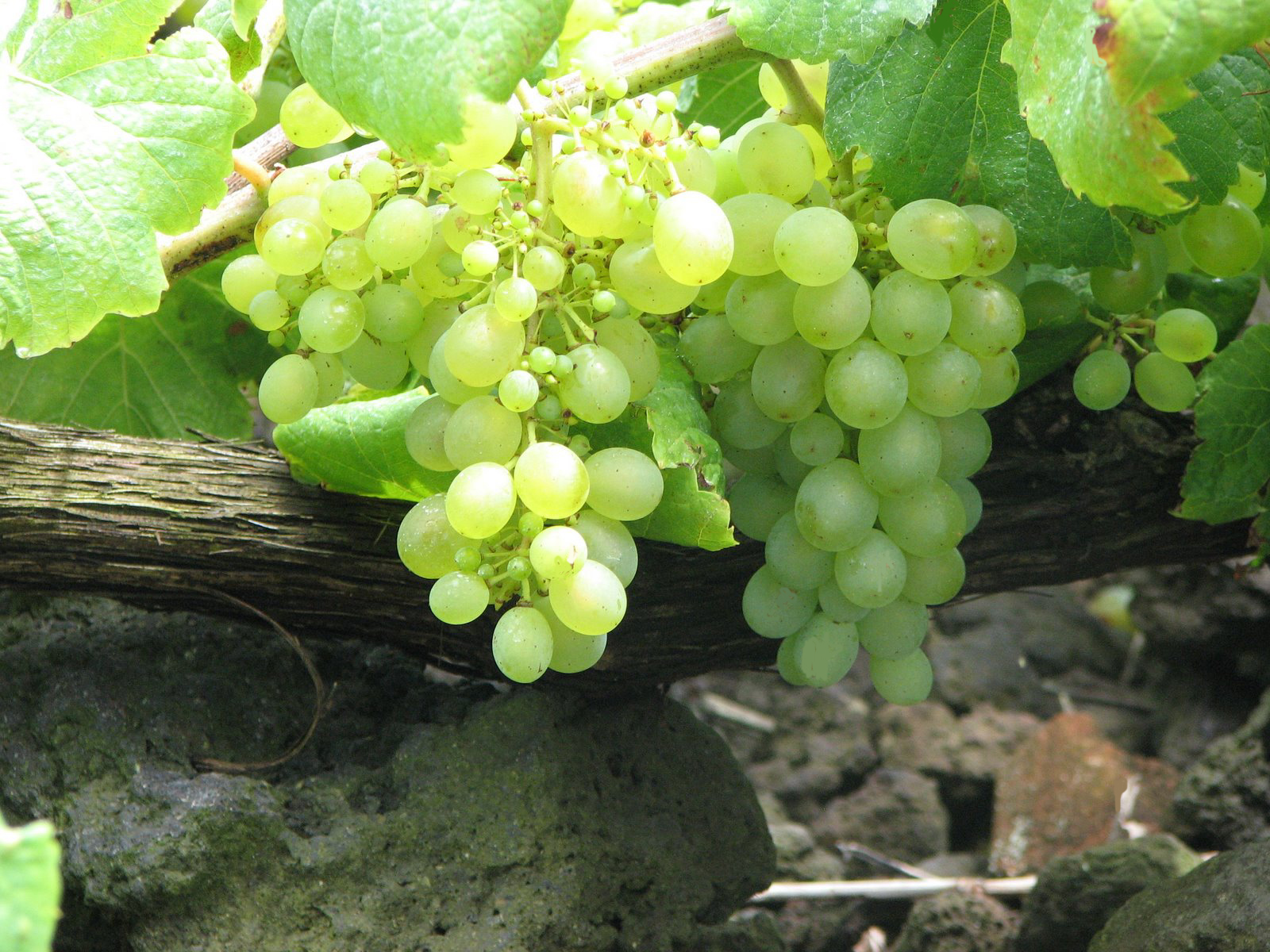
Wine sold under the Pico designation is made mainly from three white grapes: Arinto dos Açores, Verdelho and Terrantez do Pico. Under the current DO Pico specification these main grapes must make up at least 85% of the blend, with a short list of secondary grapes allowed for the rest.
Three grapes, one rule
The answer depends on what the bottle says. Wine labelled with the Pico designation follows a specification published by Portugal's wine institute, and that document names three main grapes: Arinto dos Açores, Verdelho and Terrantez do Pico. Together they must make up most of what goes into the wine. The rest can come only from a short list of secondary grapes, Galego Dourado and Malvasia Fina, which the specification also calls Boal.
All of them are white grapes, which is why the island's reputation rests on white and fortified wine rather than red.
Why Verdelho gets the attention
Of the three, Verdelho carries the history. It is the grape most tied to the island's old export trade and to the walled vineyards that are now on the World Heritage list, and it is the one most visitors have heard of. The Verdelho page covers where it comes from and how the designation around it was built.
What this page does not tell you
How much of each grape is planted, and what any one producer puts in its own bottles, are not covered here, because neither figure has been checked against a source. To taste the wines, see the adegas listed under wine country, and for the landscape they grow in, the UNESCO vineyard page.